Utilizing Motion-Activated Counters for Monitoring Wager Volumes in Space-Limited Casino Gatherings That Support Urban Renewal Projects
Erik Zimmermann · Aug 25, 2026
Utilizing Motion-Activated Counters for Monitoring Wager Volumes in Space-Limited Casino Gatherings That Support Urban Renewal Projects
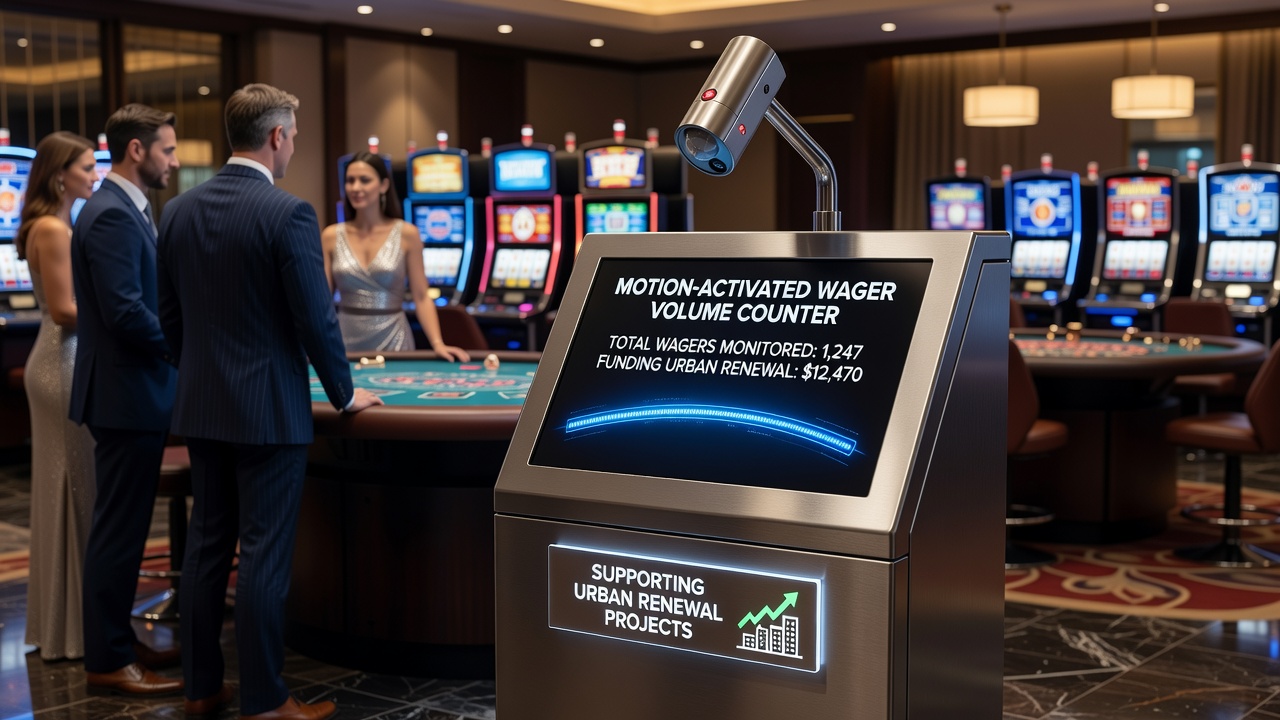
Observers note that motion-activated counters have gained traction in compact casino-style gatherings where physical space remains at a premium yet accurate tracking of wager volumes supports fundraising goals tied to urban renewal initiatives, and these systems deploy infrared sensors along with optical detection units to register chip movements and card placements without requiring extensive hardware installations. Data from multiple events in 2026 shows integration of these counters allows organizers to log bet frequencies and totals in real time while participants navigate tight layouts typical of converted community halls or residential common areas repurposed for single-evening fundraisers.
Technology Fundamentals in Constrained Environments
Researchers have documented how motion-activated counters operate through arrays of passive infrared detectors paired with computer vision algorithms that identify predefined motion patterns associated with chip handling and betting actions, and this combination delivers continuous volume metrics even when tables sit mere inches apart in venues measuring under 400 square feet. Studies conducted across North American community centers indicate the devices maintain accuracy rates above 92 percent during peak activity periods because they filter out non-gaming movements such as arm gestures unrelated to play, while wireless connectivity transmits aggregated data to central dashboards for immediate review by event coordinators.
Equipment vendors supply modular units that mount directly to ceiling grids or temporary poles, eliminating floor space consumption that conventional dealer stations or manual tally sheets would otherwise demand, and calibration routines completed in under fifteen minutes per table enable rapid deployment ahead of doors opening for ticketed gatherings. Figures released by the American Gaming Association in mid-2026 highlight adoption spikes among nonprofit groups staging these events because the counters provide verifiable records that satisfy both local gaming regulations and donor transparency requirements.
Application Within Urban Renewal Fundraisers
Community organizations across several mid-sized cities have incorporated motion-activated counters into casino nights whose net proceeds fund brownfield redevelopment and affordable housing projects, and one documented case in a former industrial district recorded wager volumes exceeding $87,000 across four hours of play in a 250-square-foot loft space retrofitted with folding tables. The collected metrics allowed planners to adjust minimum bet thresholds mid-event to optimize total contributions without extending runtime or crowding participants further, while the same data streams fed post-event reports submitted to municipal renewal authorities overseeing grant allocations.
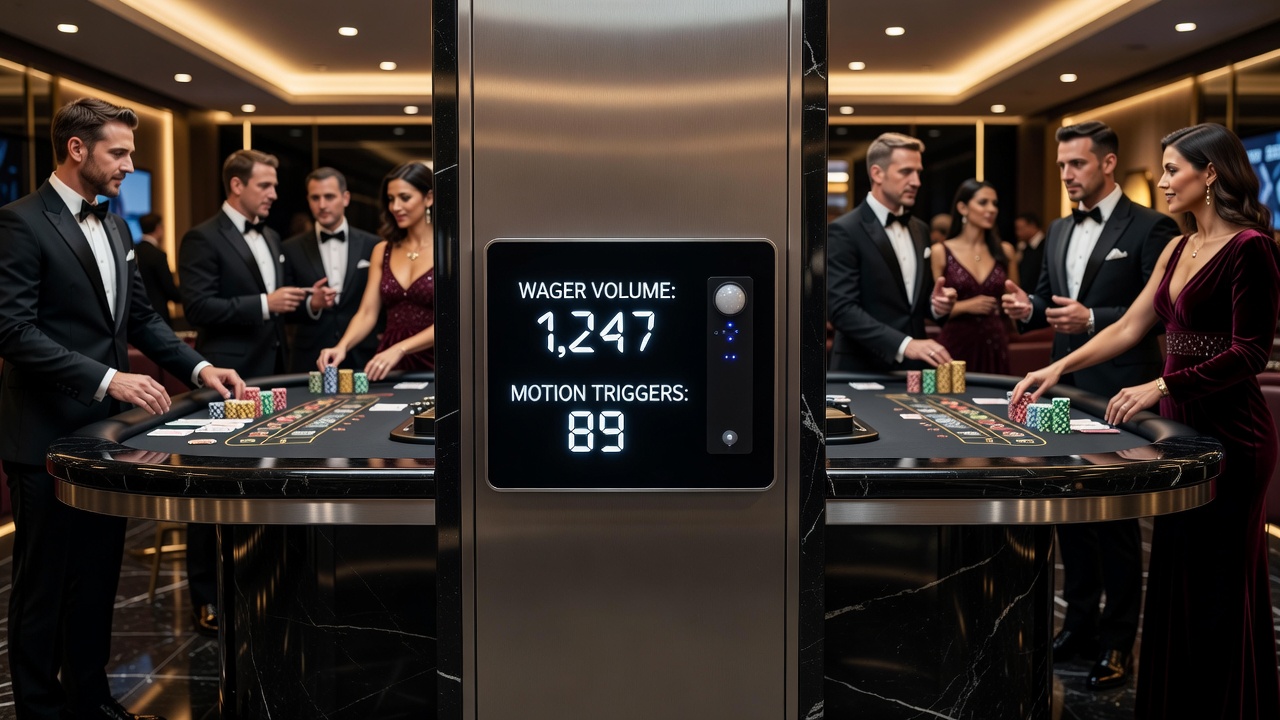
August 2026 saw expanded use of these monitoring solutions in three separate renewal-linked events held in high-density residential towers where building management restricted floor loads and prohibited permanent fixtures, and coordinators relied on battery-powered counter nodes that required no cabling runs yet delivered timestamped logs compatible with standard spreadsheet analysis tools. Those logs helped demonstrate compliance with per-table wager caps mandated by state charitable gaming statutes while simultaneously illustrating participation rates that correlated with subsequent increases in neighborhood improvement funding.
Integration Challenges and Operational Adjustments
Technicians report that reflective surfaces common in older urban buildings can occasionally trigger false positives in optical sensors, prompting the addition of matte-finished table borders and directional baffles that redirect stray infrared signals, and field tests completed earlier this year confirmed these modifications reduce erroneous counts by more than 40 percent without altering gameplay flow. Software updates released in spring 2026 introduced machine-learning filters trained on thousands of hours of recorded sessions, allowing systems to distinguish between genuine wager motions and incidental contact such as players reaching for refreshments.
Event planners coordinate with local urban renewal offices to align counter data outputs with required financial disclosures, and this practice has become standard because aggregated volume figures provide third-party verification that individual participant contributions remain within legal limits. Cross-referencing these figures against ticket sales and known buy-in amounts further strengthens audit trails that satisfy both gaming regulators and community development agencies.
Future Scaling and Data Utilization Patterns
Industry reports from the Canadian Gaming Association indicate rising interest in scaling motion-activated counter networks across multi-site renewal campaigns, where centralized dashboards compile simultaneous readings from several small venues operating on the same evening, and this approach reduces administrative overhead while generating city-wide participation statistics that inform subsequent project prioritization. Analysts tracking 2026 deployments note that venues equipped with the technology consistently report higher average wager volumes per square foot compared with similar events relying solely on manual oversight, though causation remains under continued study.
Training sessions for volunteer staff now routinely include protocols for positioning sensors to avoid interference from decorative lighting or HVAC airflow, and these procedures have shortened setup times while preserving data integrity across repeated uses. The resulting datasets also feed academic inquiries into behavioral patterns during short-duration charity gaming, supplying raw metrics that researchers at several public universities analyze for correlations between table layout density and betting frequency.
Conclusion
Motion-activated counters continue to serve as practical tools for monitoring wager activity inside space-constrained casino gatherings whose proceeds advance urban renewal objectives, and their non-intrusive design paired with real-time analytics supports both operational efficiency and regulatory compliance. Ongoing refinements in sensor accuracy and data integration point toward wider implementation in coming seasons as more communities seek measurable methods to maximize contributions from compact venues.