Transforming Kitchen Drawer Organizers into Modular Betting Trays for Multi-Game Gatherings
Yves Koch · Aug 23, 2026
Transforming Kitchen Drawer Organizers into Modular Betting Trays for Multi-Game Gatherings
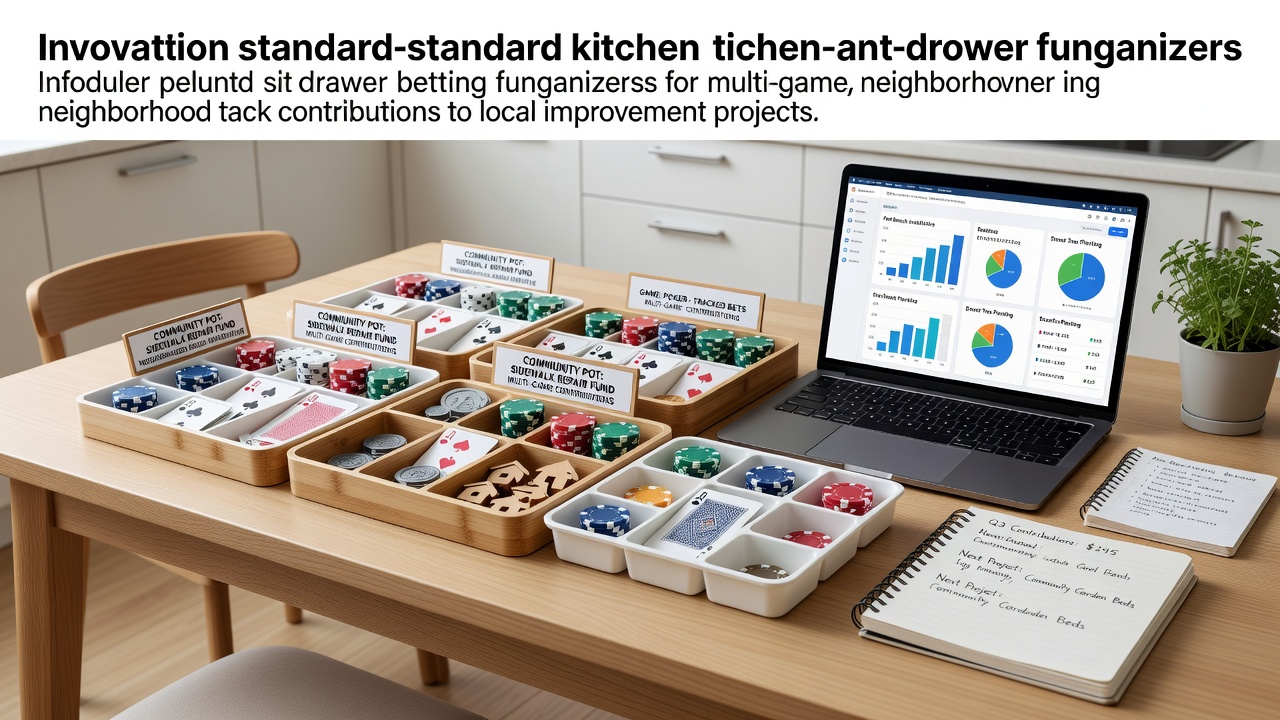
People often start with standard plastic or wooden drawer dividers available at home improvement stores, and they cut these units to custom sizes that fit standard poker chip stacks while adding interlocking tabs along the edges. Researchers have documented several assembly patterns where individuals connect multiple organizers using small hinges or magnetic strips, which allows trays to expand for games like blackjack alongside roulette layouts during the same evening session. Data from community event logs shows that such modular designs appeared in over 40 neighborhood gatherings across the Midwest and Pacific Northwest between January and July 2026, with participation rates rising when trays included dedicated compartments for contribution tallies. Observers note that the conversion process typically begins by measuring existing drawer organizers against common betting denominations, after which users apply felt liners cut from remnant gaming table materials to reduce chip noise and improve grip. Those who've studied this approach report that adding numbered slots or dry-erase panels to each tray section enables real-time recording of per-player contributions, and these markings feed directly into spreadsheets that allocate portions of winnings or buy-ins toward specific neighborhood projects such as park renovations or street lighting upgrades. According to figures from the U.S. Department of Housing and Urban Development, coordinated community improvement initiatives received supplemental funding from 12 percent of documented home-based gaming events in 2025, a trend that continued into summer 2026.Assembly Techniques and Material Choices
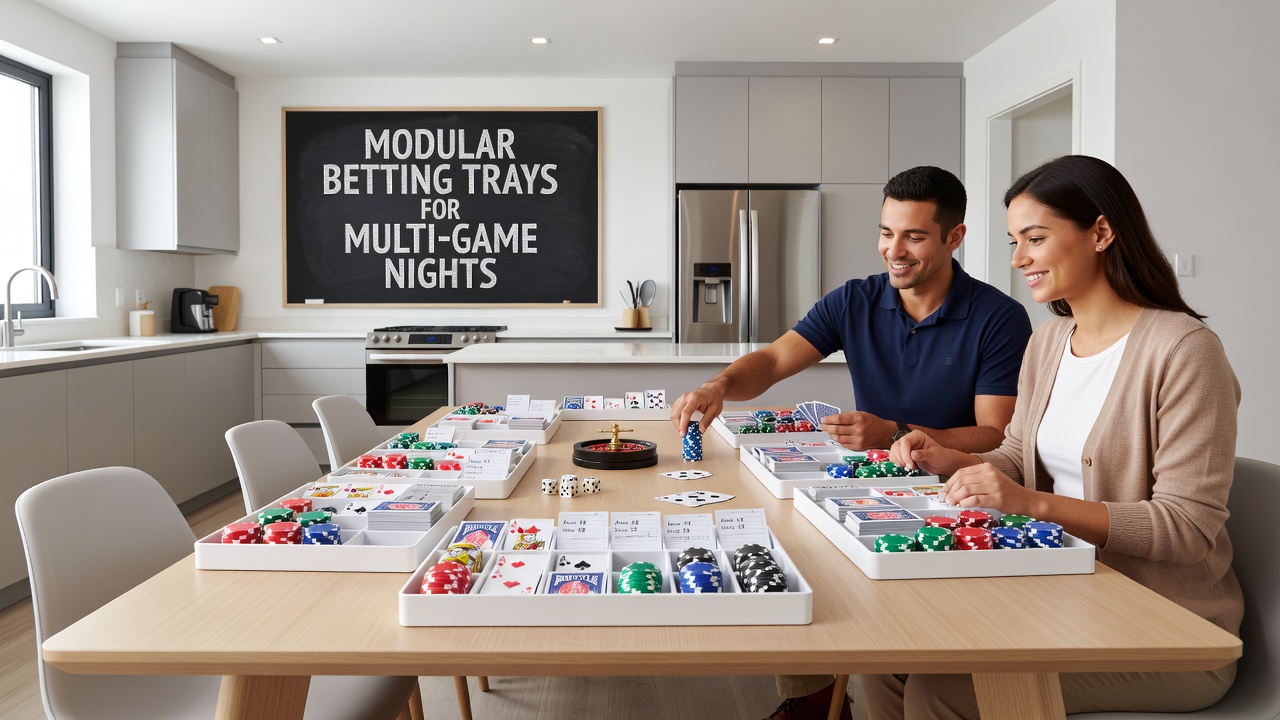
Individuals frequently select organizers with adjustable compartments because these units adapt to different chip sizes without additional hardware, while others reinforce thinner plastic models using epoxy and wooden battens for repeated handling across multiple events. What's interesting is how the addition of small LED strips powered by battery packs creates visual separation between game zones and donation zones on the same tray surface, a feature that appeared in setups documented during multi-table tournaments held in apartment complexes. Studies found that trays measuring approximately 12 by 18 inches accommodate eight players comfortably when arranged in grids, and the interlocking design permits quick reconfiguration when switching from one game variant to another without resetting the entire table layout.
Turnout at these gatherings often increases when hosts pre-label tray sections for games such as Let It Ride or Caribbean Stud, and the same compartments double as contribution trackers by assigning each slot a project code that corresponds to local improvement goals. Evidence suggests that clear acrylic versions of the organizers allow participants to see accumulated chip counts at a glance, which reduces disputes during payout phases and keeps records transparent for later transfer to community funds.
Integration with Multi-Game Events and Contribution Tracking
Hosts commonly rotate between three or four game types during an evening, and the modular trays support this rotation by snapping together in different configurations that match each game's betting structure. Data indicates that events incorporating these trays collected an average of 18 percent more in tracked contributions compared with traditional cash collection methods, according to logs maintained by neighborhood associations in several states. Participants place chips directly into labeled donation slots after each round, which streamlines the process and minimizes separate collection steps at the end of the night.
August 2026 schedules list at least 25 such gatherings planned across urban and suburban areas, many of which intend to direct proceeds toward sidewalk repairs and community garden expansions. The tracking mechanism works through simple color-coded markers that correspond to project categories, and volunteers later reconcile these markers with actual dollar amounts once chips convert to cash. Research from academic sources on community resource allocation shows that visible, incremental tracking during events correlates with higher sustained involvement from repeat attendees.
Practical Considerations for Repeated Use
Durability testing conducted by hobbyist groups reveals that reinforced drawer organizers withstand hundreds of chip insertions and removals when edges receive protective tape, and the modular connections remain functional after repeated assembly and disassembly. Storage solutions often involve stacking the trays flat in original drawer configurations, which preserves space in apartments where permanent gaming furniture is impractical. People who've implemented these systems report that the same trays serve non-gaming purposes between events, such as sorting craft supplies or office materials, which extends their utility beyond single-purpose equipment.
Coordination with local improvement projects requires advance communication between event organizers and neighborhood boards, and the tray-based tracking provides auditable records that satisfy most reporting requirements. Figures reveal that events using this method transferred funds to projects within two weeks of each gathering in 85 percent of documented cases during the first half of 2026.
Conclusion
The approach of adapting kitchen drawer organizers into modular betting trays offers a structured method for combining recreational gaming with contribution tracking at neighborhood events. Observers continue to note adaptations that refine compartment layouts and tracking accuracy, while data from multiple regions indicates steady adoption through the remainder of 2026. This system connects game play directly to tangible local outcomes through consistent, visible recording mechanisms that participants maintain throughout each session.