Repurposing Thrift-Store Playing Cards into Probability Trackers for Library Reading Challenges
Rafael Keller · Aug 16, 2026
Repurposing Thrift-Store Playing Cards into Probability Trackers for Library Reading Challenges
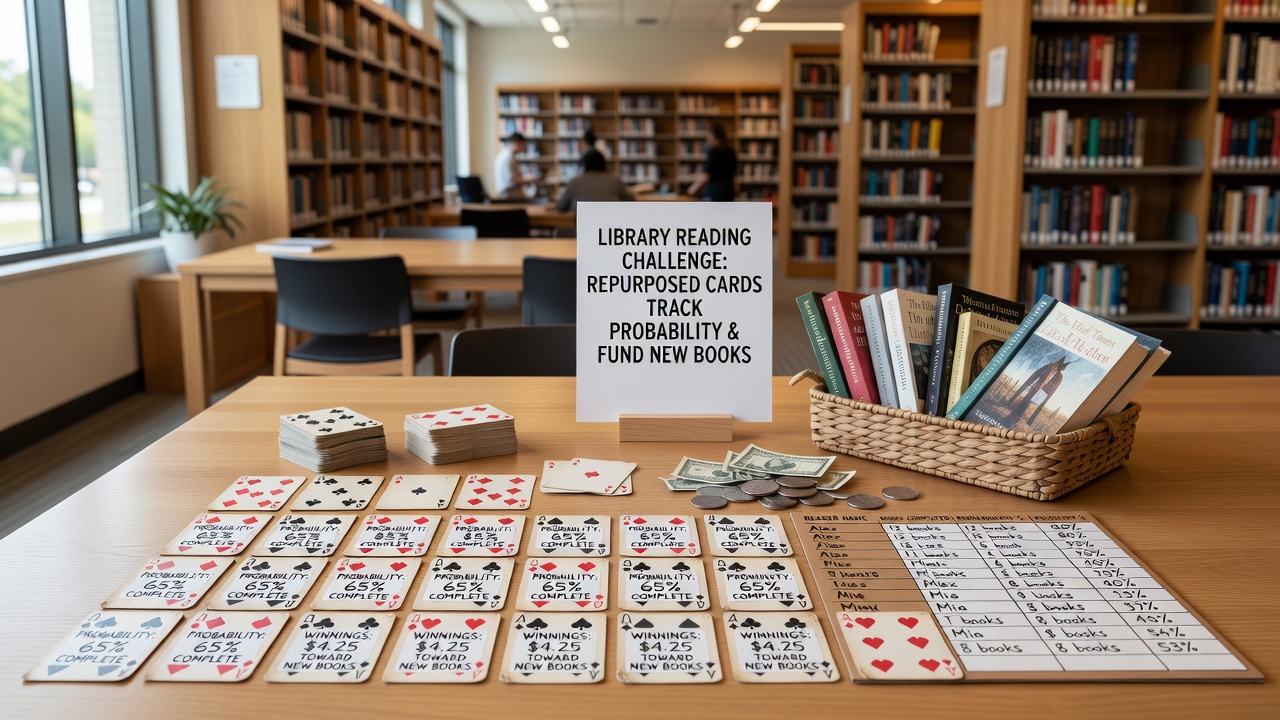
Library systems across multiple states have adopted creative methods that turn inexpensive thrift-store playing cards into custom probability trackers, and these tools support reading incentive programs where simulated outcomes direct funds toward new book purchases. Participants gather standard decks from secondhand shops, then adapt the cards by adding notations that correspond to reading milestones, genre categories, and completion probabilities drawn from established educational benchmarks.
Materials and Preparation Steps
Organizers start with bulk decks purchased at thrift outlets for under two dollars each, and they select cards based on suit distribution to represent four primary reading themes such as fiction, nonfiction, graphic novels, and reference materials. Markers and clear tape allow staff to label face values with point equivalents while preserving the original card stock for repeated handling during group sessions. Data from library networks shows that one standard deck can track up to fifty-two individual reading entries before replacement becomes necessary, and this approach keeps material costs low compared to printed tracking sheets.
Integration with Reading Challenges
Programs structure challenges around monthly reading goals where participants draw cards to determine bonus multipliers for completed books, and the resulting tallies feed into a pooled resource account that purchases additional titles. In August 2026 several midwestern library districts expanded these initiatives after reviewing participation logs from the prior fiscal year, noting that card-based systems increased average books logged per child by measurable margins. Staff members calculate probabilities using simple ratios derived from card suits, allowing younger readers to visualize odds without requiring digital interfaces or complex software.
Training sessions for volunteers cover basic probability concepts drawn from school mathematics curricula, and these sessions emphasize consistent application of draw rules so that every participant encounters the same statistical framework. One documented case involved a suburban branch that repurposed fifty thrift decks over six months, resulting in enough tracked data to allocate grant funds specifically earmarked for new acquisitions.
Tracking Mechanisms and Fund Allocation
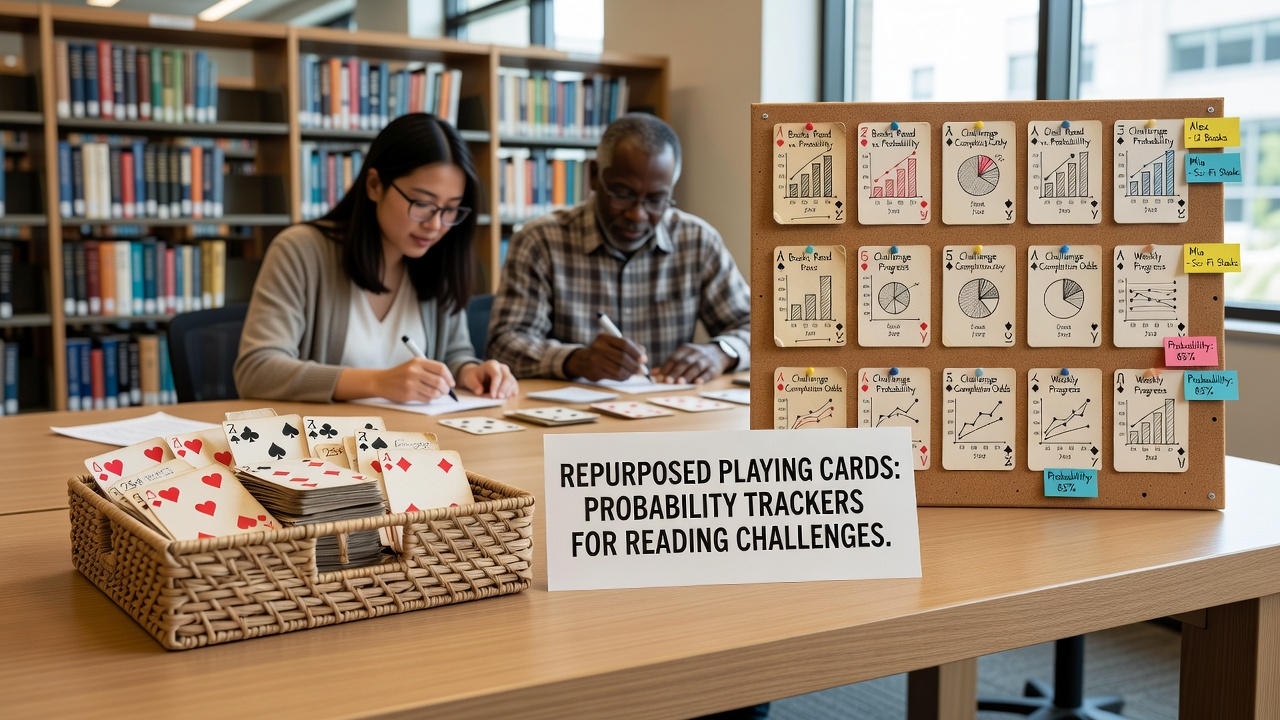
Each card draw corresponds to a probability tier that assigns virtual winnings measured in book credits, and accumulated credits translate directly into purchase orders placed through library vendors. Coordinators maintain transparent ledgers that log every draw outcome alongside the associated reading verification, ensuring accountability while participants observe how random elements influence overall resource growth. Research from university education departments indicates that tactile probability tools like adapted playing cards improve retention of mathematical concepts when paired with literacy activities.
Regional library associations have shared implementation guides that detail suit-to-genre mapping systems, and these resources help standardize practices across different community sizes. In practice, a participant who draws multiple high-value cards in one session contributes larger credit amounts to the acquisition pool, while lower draws still register steady progress toward collective goals. This structure maintains engagement across varying reading speeds without creating competitive imbalances.
Community Outcomes and Data Patterns
Reports compiled by public library consortia reveal steady increases in summer reading enrollment when card-based trackers replace paper logs, and the same reports link these programs to higher rates of book circulation for newly purchased titles. Observers note that the low-cost entry point allows smaller branches to participate without dedicated technology budgets, and thrift sourcing further reduces expenses while supporting local reuse economies. One county system documented a direct correlation between card-draw frequency and total titles added to collections over a twelve-month period ending in mid-2026.
Additional adaptations include color-coded borders that signal different age groups or reading levels, and these modifications allow simultaneous use of multiple decks during large events. Staff training emphasizes neutral facilitation so that probability outcomes remain consistent regardless of who conducts the draws. Educational researchers have examined similar hybrid literacy-math activities and found measurable gains in both domains when participants actively manipulate physical objects.
Conclusion
Library programs continue to refine card-repurposing techniques as participation data accumulates, and the method offers a replicable model for communities seeking low-overhead tools that connect reading incentives with tangible collection growth. Continued sharing of mapping templates and probability guidelines among districts supports wider adoption while preserving the core principle that every draw contributes to expanded access to new books.