Repurposing Old Board Game Boards into Blackjack Surfaces for Condo Association Gatherings That Fund Landscaping Improvements
Erik Zimmermann · Aug 11, 2026
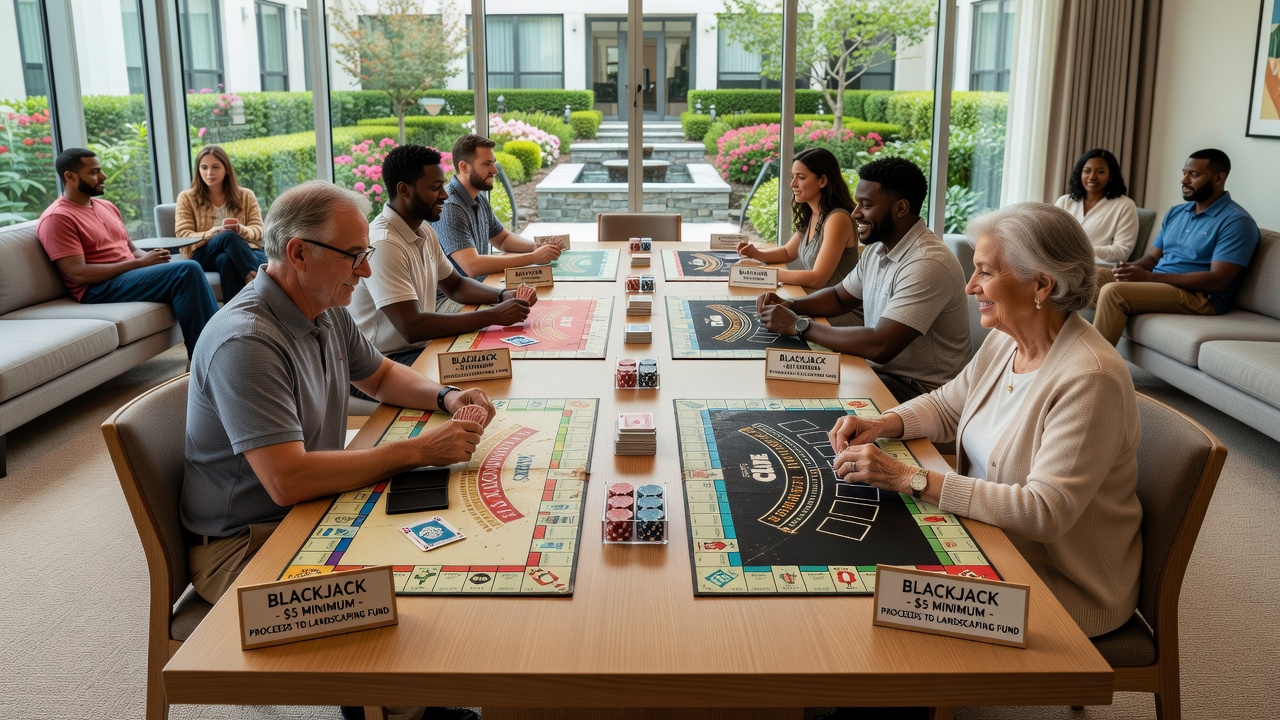
Repurposing Old Board Game Boards into Blackjack Surfaces for Condo Association Gatherings That Fund Landscaping Improvements
Condo associations across various regions have adopted methods that turn discarded board game boards into durable blackjack surfaces, and these surfaces support fundraising events that generate revenue for landscaping upgrades. Data from community organizations shows that such gatherings in August 2026 raised targeted funds in multiple suburban complexes, with proceeds allocated directly to tree planting, irrigation repairs, and green space maintenance. Observers note that the approach combines material reuse with structured gaming activities, allowing residents to participate without requiring new equipment purchases.
Material Selection and Preparation Processes
Residents typically begin by collecting board game boards from thrift stores, garage sales, or household discards, focusing on thick cardboard or pressed wood varieties that measure at least 18 by 24 inches. These boards undergo cleaning with mild detergents followed by sanding to remove printed designs, after which a layer of green felt or vinyl gets applied using adhesive sprays rated for craft projects. Markings for blackjack betting areas, including numbered boxes and dealer spots, are added through stencils or printed templates that align with standard gaming dimensions established by industry guidelines.
Experts in material reuse have documented cases where multiple boards are joined with hinges or brackets to create foldable surfaces suitable for storage in small condo utility rooms. Reinforcement with wooden frames occurs in some instances to increase stability during extended play sessions, and this step draws from techniques shared in community workshops organized by local recreation departments.
Setup for Condo Gatherings and Fundraising Mechanics
Events organized around these surfaces follow a schedule where participants pay entry fees that contribute to a pooled landscaping fund managed by the condo board. Rules mirror traditional blackjack formats, with variations limited to simplified hand signals and time-limited rounds that accommodate mixed skill levels among attendees. Volunteers from the association handle dealing duties on a rotating basis, while separate stations track donations through digital apps or paper ledgers that ensure transparent allocation of proceeds.
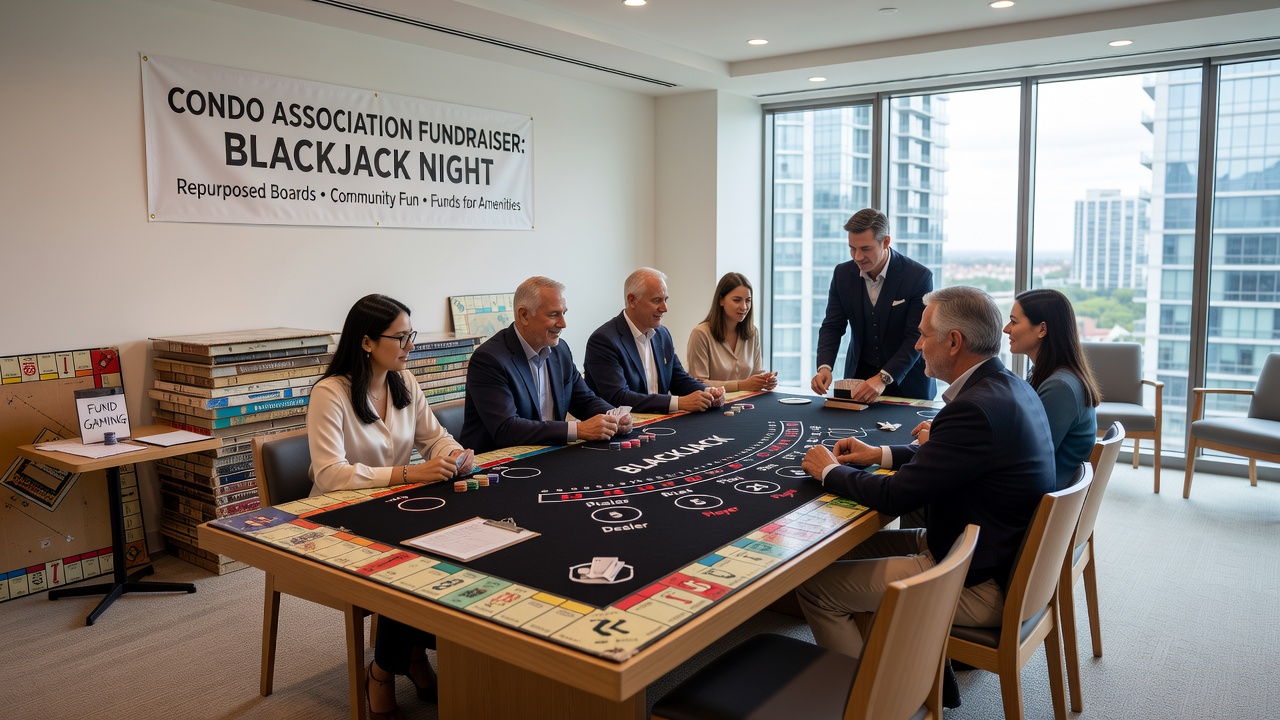
Records from similar initiatives indicate that one complex in the Midwest collected sufficient funds during a single August 2026 evening to cover mulch and shrub replacements for three common areas. Participation rates climbed when associations promoted the events through digital newsletters and shared calendars, with data showing repeat attendance from residents who valued both the social aspect and the visible landscaping outcomes.
Environmental and Community Benefits Documented in Practice
Studies on household waste reduction highlight how diverting board game boards from landfills contributes to lower material disposal volumes, and this aligns with reports issued by environmental agencies that track reuse patterns in residential settings. Associations that implement these surfaces report decreased spending on new gaming equipment, freeing budget lines for direct landscaping contracts that include seasonal maintenance and soil testing.
One documented example involved a Florida condo group that linked three repurposed boards into an extended surface capable of hosting four simultaneous hands. The resulting event generated revenue that funded the installation of native plant beds along walkways, with follow-up measurements confirming improved drainage and reduced erosion in those zones. Such outcomes appear consistently when associations maintain clear records of both material sourcing and fund distribution.
Considerations for Implementation and Compliance
Local regulations on community gaming activities require review before events proceed, and many associations consult municipal codes or housing authority documents to confirm that small-scale, non-commercial blackjack sessions fall within permitted parameters. Insurance coverage for indoor gatherings often extends to these setups when organizers emphasize recreational rather than profit-driven elements, according to guidance from property management associations in several states.
Storage solutions for the finished surfaces involve wall-mounted racks or labeled bins that protect felt layers from dust, and associations in high-density buildings have shared blueprints for vertical stacking methods that conserve shared closet space. Training sessions for volunteers cover basic game oversight and fund tracking, with materials distributed through resident email lists that reference templates developed by national community association networks.
Conclusion
Repurposing old board game boards into blackjack surfaces provides condo associations with a practical method to host gatherings that directly support landscaping improvements. Evidence from multiple regions demonstrates consistent fund generation alongside material reuse, while compliance steps and volunteer coordination maintain operational smoothness. Associations that track both participation and expenditure data continue to refine these approaches for ongoing community projects.