Decoding Odds Cascades in Sic Bo Adaptations for Block Party Setups Channeling Proceeds Toward Public Park Maintenance Through Shared Betting Frameworks
Yves Koch · Sep 14, 2026
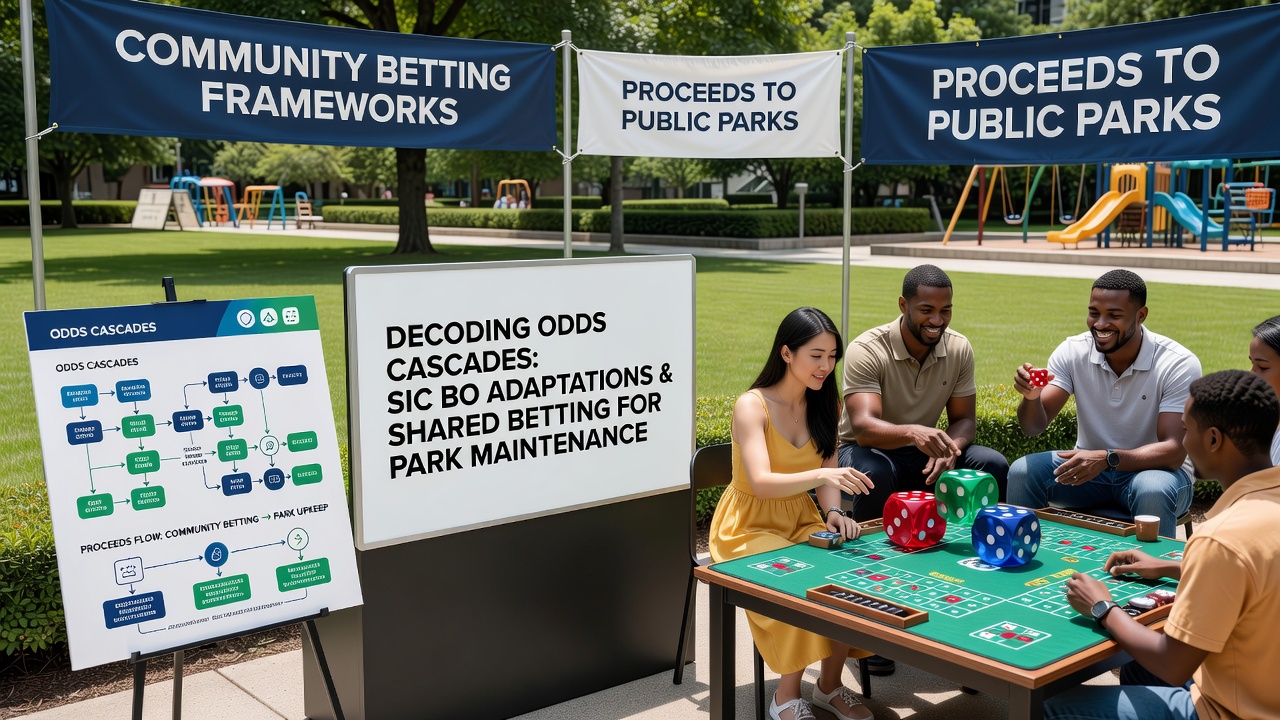
Decoding Odds Cascades in Sic Bo Adaptations for Block Party Setups Channeling Proceeds Toward Public Park Maintenance Through Shared Betting Frameworks
Observers note that Sic Bo, the traditional three-dice game originating from ancient China, features complex probability structures that participants can adapt into streamlined versions for neighborhood gatherings, and these adaptations often incorporate shared betting pools where proceeds support local infrastructure such as public park upkeep.
Core Mechanics of Sic Bo and Probability Structures
Researchers have documented how standard Sic Bo relies on dice combinations that produce totals ranging from 4 to 17, with bets placed on specific sums, doubles, triples, or combinations like big and small wagers, and data from gaming studies shows payout ratios varying from even money on simple high-low bets up to 150-to-1 on triple sixes or triple ones, creating what analysts describe as odds cascades where initial wagers influence subsequent betting layers in multi-round formats. Those who've examined these systems find that probability distributions follow multinomial patterns, allowing organizers to map out expected returns before events begin.
Adapting Sic Bo for Block Party Environments
Community groups across various regions have implemented modified Sic Bo tables using simplified scoring charts and smaller dice sets that reduce setup time while preserving core risk elements, and this approach lets participants engage without needing professional dealers since rotating volunteers handle rolls and payouts according to pre-agreed rules. Studies from regional gaming associations indicate that such adaptations maintain house edges around 2.8 to 11 percent depending on bet selection, which communities then adjust through collective frameworks to direct portions of those edges straight into maintenance funds rather than commercial profits.
Shared Betting Frameworks in Practice
People organizing these events often establish pooled systems where each wager contributes a fixed percentage to a central fund, and this method channels proceeds toward park projects like equipment repairs or landscaping, with records from multiple municipalities showing consistent allocation rates between 15 and 25 percent of total handle. One documented case involved a Midwest neighborhood that tracked cumulative bets over three evenings and directed resulting amounts to install new benches and lighting along walking paths, demonstrating how the cascading bet structure multiplies small individual contributions into larger community impacts without altering individual player odds.
Integrating Park Maintenance Funding Mechanisms
Regulatory bodies in several states permit limited charitable gaming at private or community events when proceeds benefit public causes, and figures from the National Recreation and Park Association reveal that localized initiatives have supplemented municipal budgets by amounts ranging from several thousand dollars per event when attendance reaches 200 or more participants. Organizers typically post transparent payout pyramids and odds tables at each station so attendees understand exact returns, while separate ledgers record the community share that flows directly to designated park accounts at the end of each session.
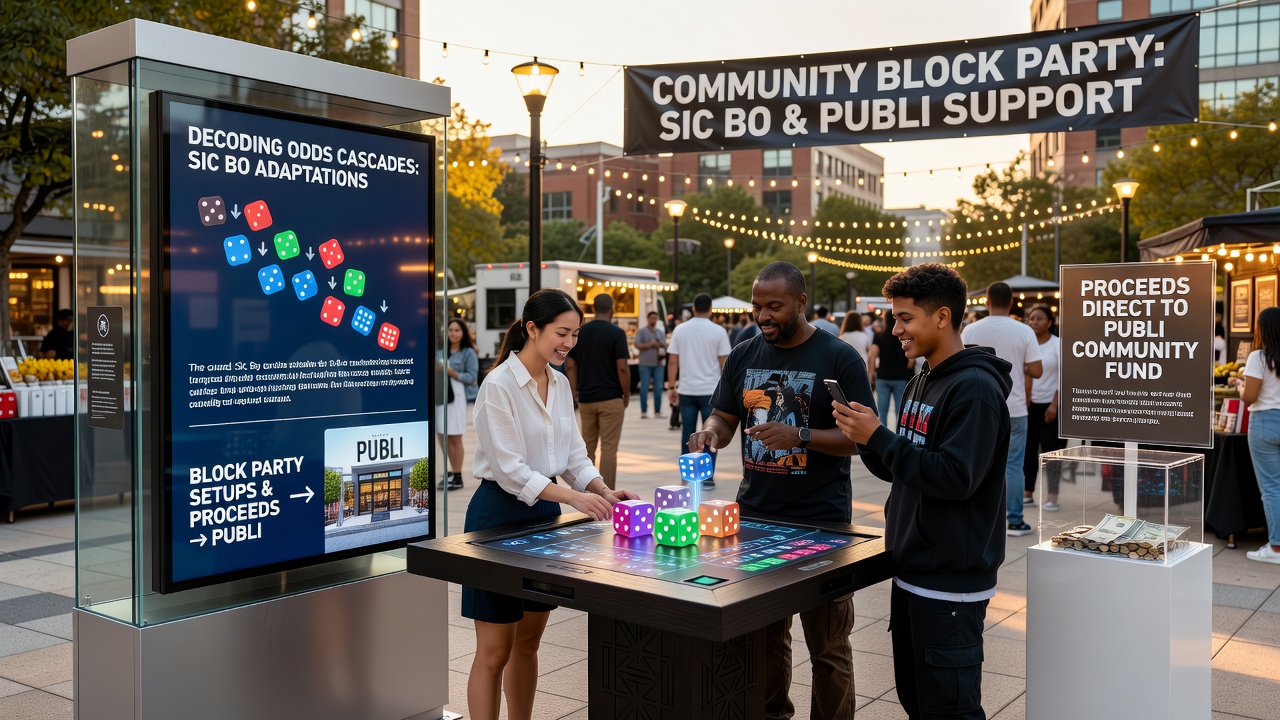
What's interesting is how September 2026 saw expanded reporting from multiple city recreation departments on similar programs, with aggregated data indicating steady growth in participation rates compared to earlier years, and analysts attribute part of this trend to clearer communication of how individual bets contribute to visible improvements like trail resurfacing or playground safety upgrades.
Odds Cascade Analysis for Event Organizers
Experts who model these cascades break them into sequential layers where primary bets on totals feed into secondary combination wagers, producing compound probabilities that organizers can pre-calculate using basic statistical tools, and this preparation helps set realistic expectations for both player retention and fund totals. Academic papers from institutions studying recreational mathematics have outlined methods for balancing bet accessibility against payout frequency so that shorter play sessions still generate meaningful contributions without requiring extended commitment from attendees.
Those coordinating events frequently cross-reference payout hierarchies with retention patterns observed in poker and roulette variants, noting that Sic Bo's dice-based simplicity attracts broader age ranges at block parties, and this diversity supports higher overall volume which in turn amplifies the shared pool available for park projects. Data compiled by industry research groups shows average per-person wagering in community adaptations falling between $15 and $40 across an evening, sufficient to accumulate substantial maintenance support when scaled across dozens of participants.
Conclusion
Communities continue refining these Sic Bo adaptations by incorporating feedback from past gatherings, adjusting odds displays for clarity, and strengthening connections between betting activity and specific park improvements, and available evidence indicates that transparent shared frameworks sustain both player engagement and tangible public benefits over repeated events.