Creating Dynamic Home Fundraising Setups with Combined Roulette and Poker Features
Yves Neumann · Nov 23, 2026
Creating Dynamic Home Fundraising Setups with Combined Roulette and Poker Features
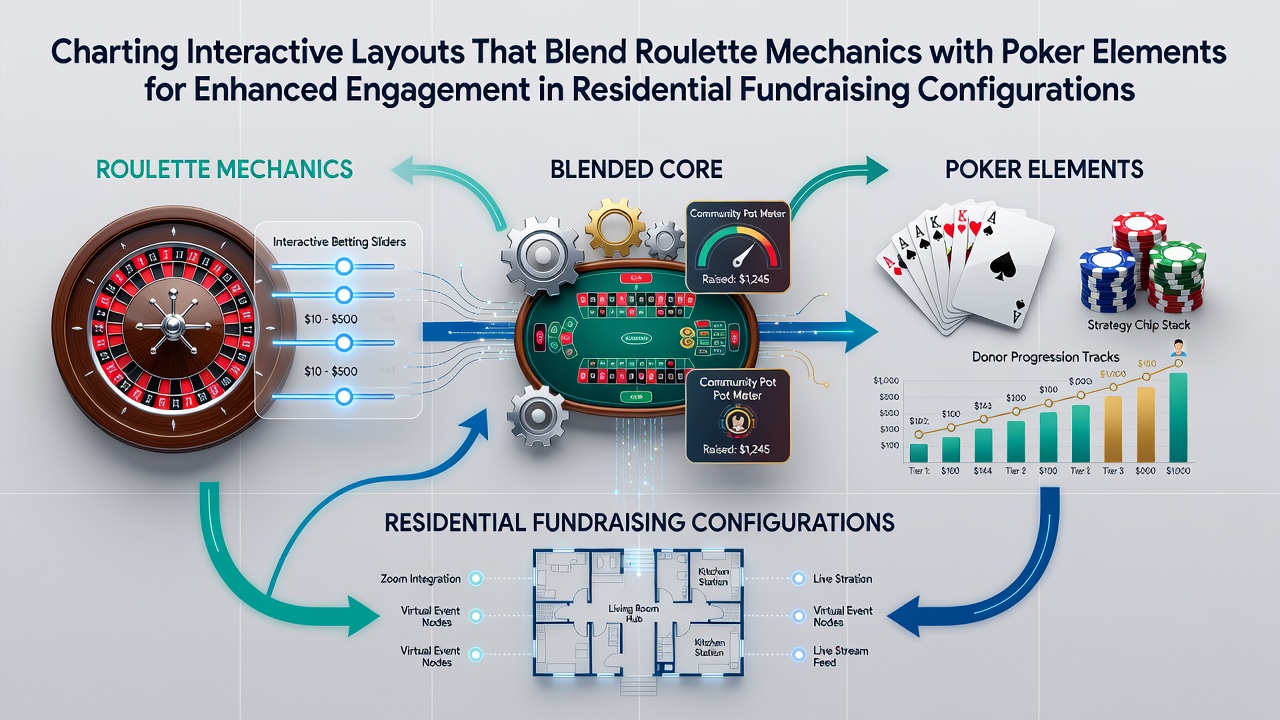
Community organizers across teh United States continue to explore table configurations that merge roulette wheel mechanics with poker hand structures, and these setups appear in residential spaces during fundraising events throughout 2026. Data from regional charity networks show that such hybrids draw participants who enjoy both chance-based spins and strategic card decisions in single sessions. Layout planners typically position a standard roulette wheel at one end of an elongated table while allocating card dealing zones along the opposite side, which allows players to alternate between placing chips on wheel sectors and forming poker combinations on felt marked with suit and rank indicators.
Physical Table Arrangements for Mixed Gameplay
Designers start with a rectangular surface measuring at least eight feet in length so that the roulette wheel occupies a stable corner position while leaving sufficient space for up to eight seated players to handle cards without crowding. Felt overlays feature numbered roulette pockets on one half and poker betting circles on the other, connected by pathways that represent side-bet transfers between the two systems. Observers note that groups in suburban neighborhoods often add modular extensions to standard dining tables, which permits the wheel to sit at eye level and reduces reach distances during simultaneous betting rounds.
Lighting strips placed beneath the felt edges highlight active zones when the wheel spins or when community cards appear, and motion sensors trigger color changes that signal the next phase of play. In November 2026 several Midwestern community centers reported using these illuminated pathways during weekend drives, and attendance logs indicated steady throughput as players moved from roulette segments to poker resolution without resetting the entire table.
Rule Integration That Connects Spins and Hands
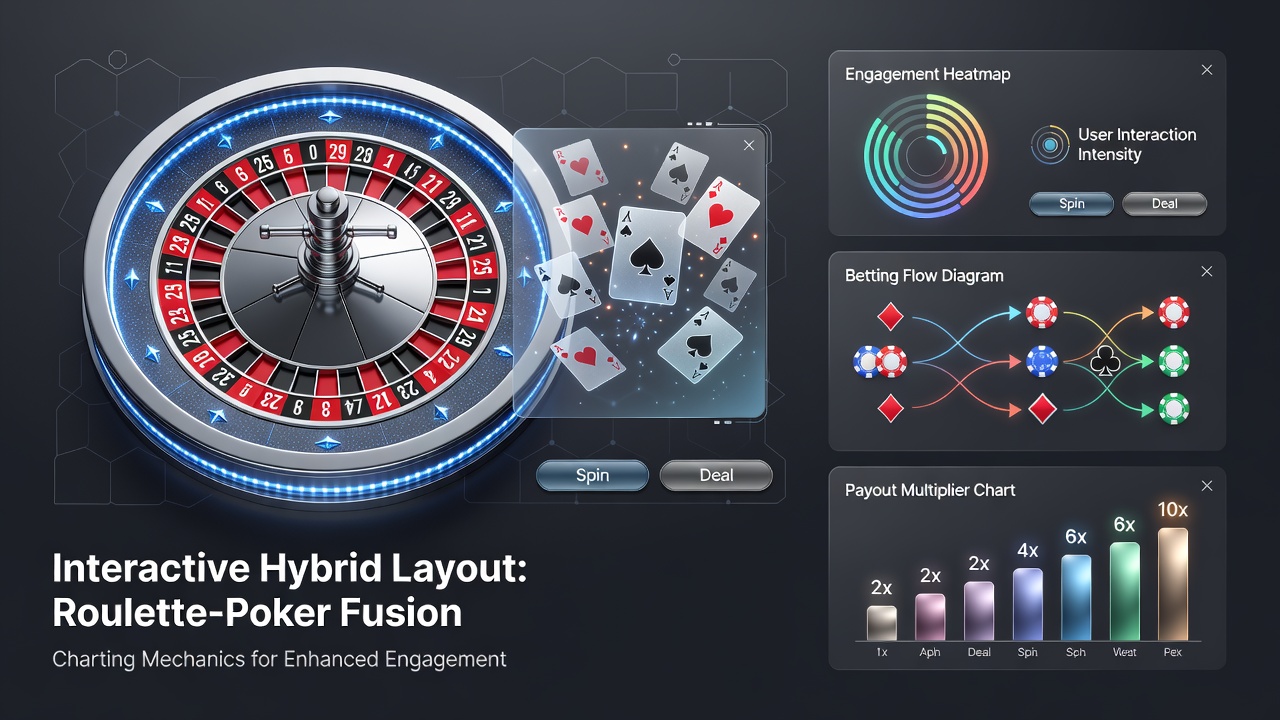
Mechanics blend when a roulette outcome determines poker modifiers such as wild cards or multiplier values applied to winning hands. For instance, a ball landing in a red sector might convert all face cards to wild status for that round, while a black sector could double the pot contribution from each participant. Players place initial wagers on both the wheel and their poker positions, then resolve the spin first to set conditions before revealing cards. Research from event coordination studies indicates this sequence maintains momentum because outcomes from one element feed directly into the next without requiring separate rounds or additional equipment.
One documented configuration in a Pacific Northwest residential fundraiser used a payout pyramid where roulette numbers corresponded to poker hand rankings, so that a spin result of 17 triggered an automatic bonus for any player holding a straight or better. Such linkages reduce downtime between decisions and keep groups engaged across multiple donation cycles. Figures from similar gatherings reveal average session lengths extending to ninety minutes per table when these connections operate smoothly.
Space and Flow Considerations in Residential Settings
Residential hosts frequently adapt living rooms or basements by clearing central floor areas and positioning the hybrid table against a wall to free circulation paths. Portable barriers constructed from folding screens separate the gaming zone from refreshment stations, which prevents congestion when players collect payout chips and return to donate additional entry fees. According to reports compiled by the Canadian Gaming Association, similar spatial planning in home-based events correlates with higher repeat participation because movement remains unobstructed and noise levels stay manageable for neighboring residents.
Chairs arranged in a slight arc around the table allow sightlines to both the wheel and card zones, while overhead cameras or simple mirrors assist dealers who track multiple betting areas. Groups in high-density housing often rotate dealer duties among volunteers, and training sessions focus on sequential resolution so that roulette spins conclude before poker hands receive final assessment. This order prevents disputes and supports accurate tracking of funds raised for the designated cause.
Participant Interaction Patterns Observed in Recent Events
Records from November 2026 gatherings in several states show that players frequently discuss strategy across the two game elements, comparing roulette probability charts with poker odds during brief pauses. Such cross-referencing appears to extend engagement because participants apply knowledge from one system to influence choices in the other. Industry organizations such as the Australian Gaming Association have published summaries of comparable hybrid formats, noting that retention rates rise when visual cues on the felt reinforce the mechanical links between wheel results and hand evaluations.
Volunteers managing these events typically prepare laminated rule sheets that list spin-to-hand correspondences in clear columns, which reduces questions during active play. Data collected at check-in stations indicate that first-time attendees return for subsequent sessions at rates above sixty percent when the layout permits easy observation of both roulette and poker components from every seat.
Conclusion
Residential fundraising configurations that integrate roulette mechanics with poker elements rely on precise table measurements, connected betting pathways, and sequential resolution rules to sustain participation. Event records from late 2026 demonstrate consistent attendance when spatial flow, lighting cues, and rule linkages operate together without interruption. Organizers continue to refine these designs based on attendance logs and throughput measurements, which support ongoing adaptation for neighborhood causes.