Charting Vintage Board Game Fusions with Craps Layouts to Energize Multi-Generational Fundraisers at Community Centers
Erik Zimmermann · Aug 31, 2026
Charting Vintage Board Game Fusions with Craps Layouts to Energize Multi-Generational Fundraisers at Community Centers
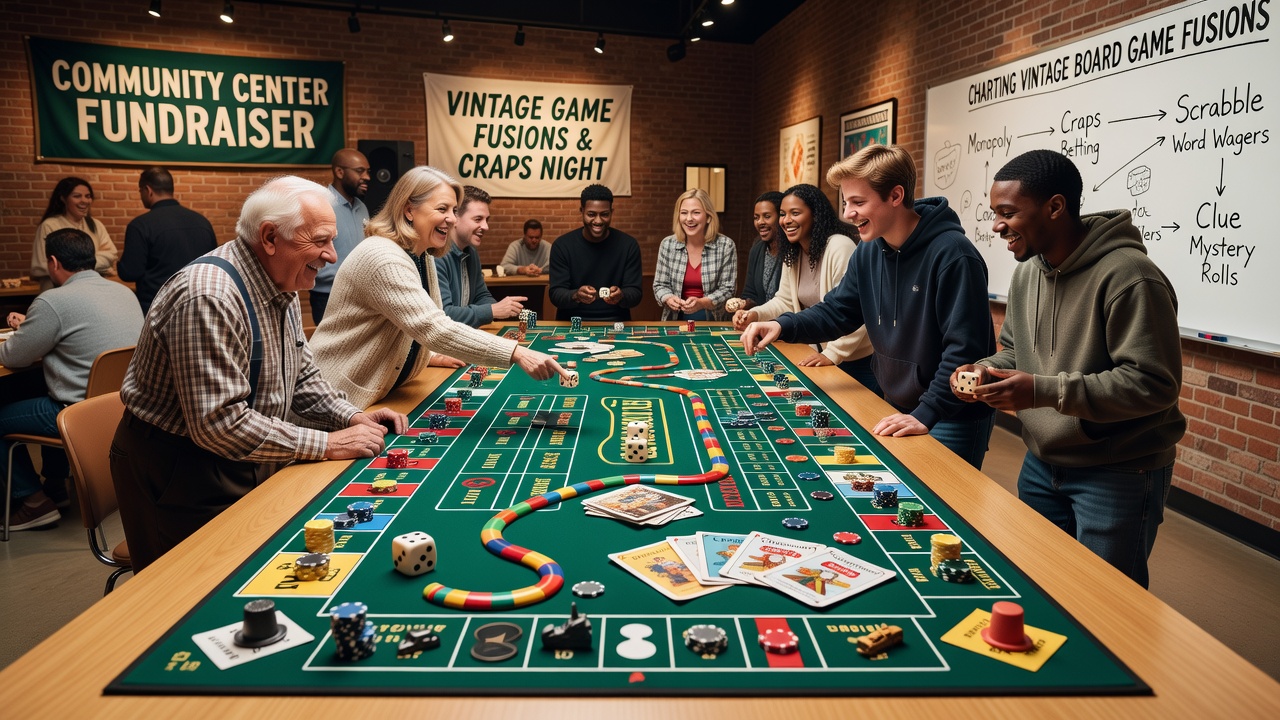
Community centers across North America have begun integrating elements of classic board games with craps table layouts to create hybrid gaming stations that draw participants from multiple age groups during fundraising events. These fusions combine familiar mechanics from titles like Monopoly or Clue with the dice-rolling and betting progression found in craps, resulting in simplified point systems that accommodate both children and older adults while directing proceeds toward local causes.
Core Components of Game Layout Integration
Designers start by overlaying a standard craps felt pattern onto a modified board game grid, where property spaces or room cards serve as numbered betting zones instead of traditional pass line and come-out areas. Participants roll two dice in sequence, yet advance tokens along vintage board paths based on cumulative totals, which creates shared decision points that encourage cross-generational collaboration at each station. Data from regional community program reports indicate participation rates increase when stations incorporate both tactile board pieces and felt betting sections, allowing groups to rotate roles between token movers and wager placers during sessions that last two to three hours.
Setup Protocols for Community Center Spaces
Event coordinators measure available floor space against standard folding table dimensions, typically allocating six-foot surfaces for each hybrid station to maintain clear sight lines for all ages. Felt overlays receive adhesive backing strips along the edges, which secure them against movement while permitting quick removal after events conclude, and organizers position dice trays at child-accessible heights beside higher adult vantage points. In August 2026 several centers in the Midwest reported deploying twelve such stations simultaneously, each calibrated to handle groups of eight to ten players through staggered start times that prevent overcrowding near refreshment areas.
Materials lists commonly include laminated rule cards printed with combined payout charts, colored chips scaled for both small donations and larger contributions, and backup dice sets stored in labeled bins for rapid replacement. Centers often partner with local printing services to produce these items in bulk, which reduces per-event costs when multiple fundraisers occur throughout the calendar year.
Participation Patterns Across Age Groups
Observers tracking attendance at similar events note that younger players engage more readily when board game elements provide visual progress markers, while older participants favor the structured betting sequences that mirror long-established social games. Centers that schedule overlapping sessions observe families remaining at stations longer when rules permit spectators to suggest moves without direct financial involvement, which extends overall event duration and increases total donations collected through ancillary activities such as silent auctions.
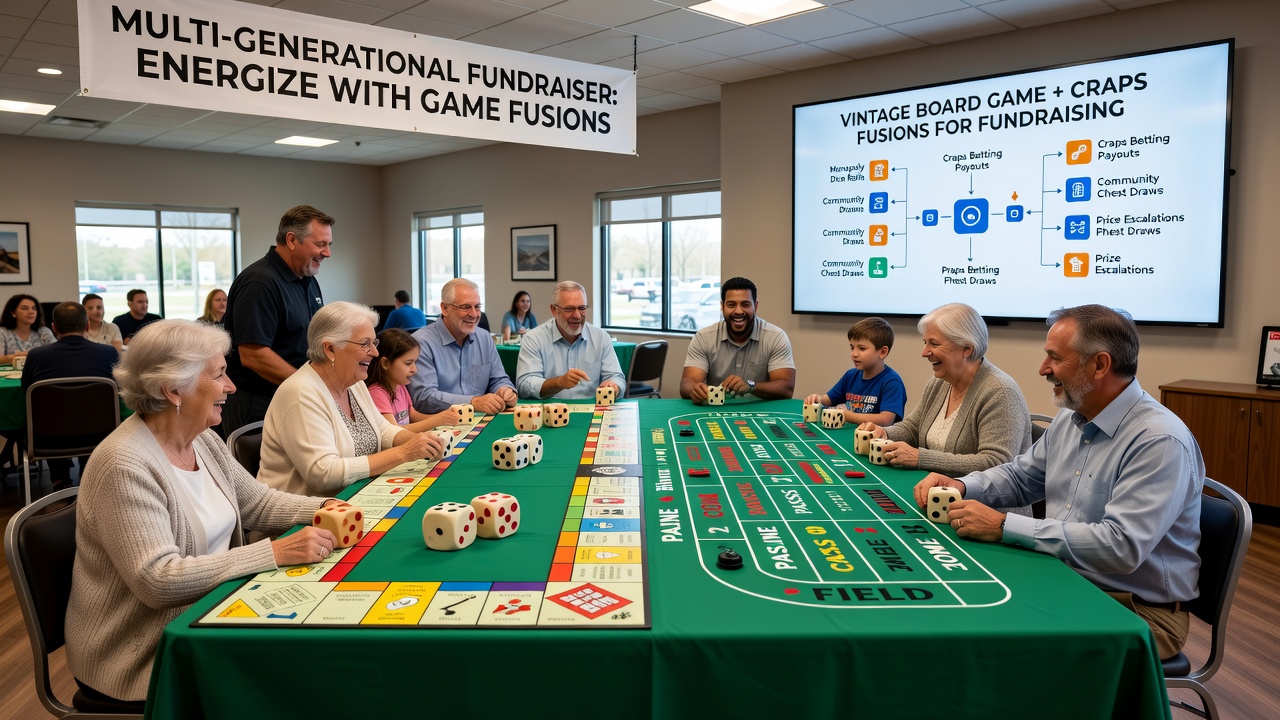
Research conducted by the National Center for Responsible Gaming has documented how structured group formats like these maintain engagement levels across demographic categories when clear time limits and contribution caps are enforced. Centers adapt these findings by posting visible maximum-bet indicators on each station, which helps sustain steady turnover without interrupting the flow of play.
Revenue Allocation and Tracking Methods
Fundraising teams employ color-coded chip systems that correspond directly to donation tiers, enabling volunteers to tally contributions at shift changes using simple spreadsheets that separate station earnings from separate concession sales. Several programs in 2026 incorporated wireless counters placed beneath table surfaces, which recorded chip movements in real time and generated end-of-night summaries for distribution to sponsoring organizations. This approach has allowed centers to allocate proceeds toward specific projects such as youth equipment upgrades or senior transportation services, with records maintained for transparency during post-event reviews.
Expansion Trends Observed in Mid-2026
Regional gaming associations have noted rising inquiries from community centers seeking template files for custom felt designs that blend additional vintage titles like Risk or Scrabble with craps progressions. Training workshops hosted in partnership with university recreation departments provide hands-on instruction for volunteers, covering topics from layout alignment to conflict resolution during group decisions. Centers that adopt these methods report sustained interest when events recur on quarterly schedules, which builds familiarity and encourages repeat attendance from the same multi-generational networks.
Conclusion
Centers continue refining these hybrid formats by soliciting direct feedback through short post-event surveys that capture preferences for specific board game pairings and layout adjustments. The resulting data guides incremental updates to station configurations, ensuring each subsequent fundraiser maintains accessibility while supporting the financial goals of local initiatives.