Acoustic Layering Techniques That Align Card Shuffle Rhythms with Donation Goal Meters During Compact Residential Gaming Events for Neighborhood Revitalization Projects
Yves Neumann · Aug 21, 2026
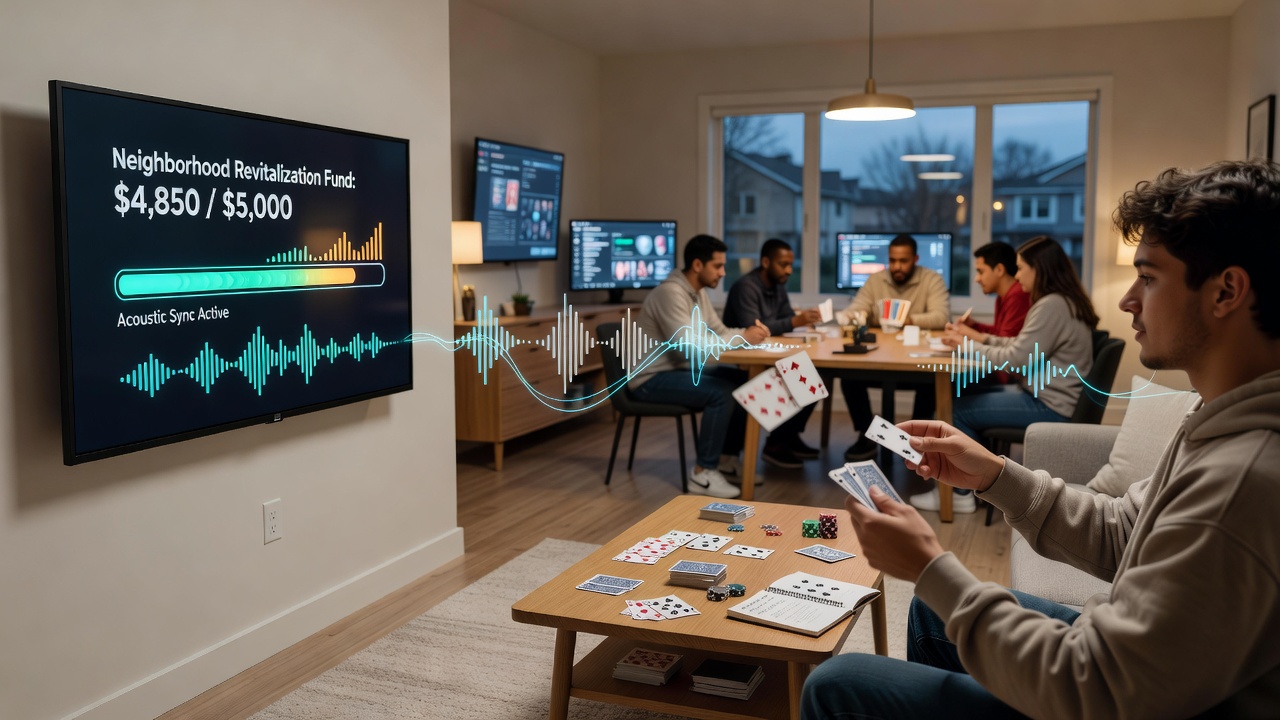
Acoustic Layering Techniques That Align Card Shuffle Rhythms with Donation Goal Meters During Compact Residential Gaming Events for Neighborhood Revitalization Projects
Acoustic layering in compact residential gaming events combines multiple sound elements from card shuffles with visual donation goal meters to create synchronized audio-visual feedback during neighborhood revitalization fundraisers. Organizers in high-density housing units apply these methods to maintain engagement while tracking contributions toward local projects such as park improvements and community center upgrades. Data from recent gatherings indicate that precise rhythm alignment increases participation rates by coordinating auditory cues with meter progressions.
Core Components of Acoustic Layering Systems
Layering begins with base shuffle recordings captured at standardized tempos between 60 and 80 beats per minute, then stacked with harmonic overlays that rise in pitch as donation totals advance. Researchers at institutions focused on environmental acoustics note that these layers incorporate low-frequency card handling sounds beneath mid-range rhythmic elements, while high-frequency accents trigger only when meters reach incremental thresholds. Compact setups in apartments under 600 square feet rely on directional speakers positioned near tables to direct sound without disturbing adjacent units, and wireless sensors attached to shuffle machines transmit timing data directly to digital meters displayed on wall-mounted screens.
Rhythm Alignment Methods for Donation Tracking
Alignment protocols match shuffle cycles to meter segments through software that adjusts playback speed in real time based on incoming donation inputs. Participants shuffle decks in sequences where each completed cycle corresponds to a 5 percent meter increment, creating a feedback loop that reinforces contribution momentum. Studies conducted by the University of Melbourne's Sound and Music Computing group demonstrate that such synchronization reduces perceived wait times between hands and sustains activity levels across sessions lasting three to four hours. Equipment lists for these events typically include portable mixers, contact microphones on card tables, and LED meter strips calibrated to reflect cumulative audio intensity rather than isolated visual bars alone.
Implementation in August 2026 Residential Events
Events scheduled throughout August 2026 in urban neighborhoods have incorporated acoustic layering into multi-table configurations within living rooms and shared building spaces. Coordinators report that pre-programmed rhythm libraries allow quick adaptation when donation inflows accelerate, shifting from steady four-beat shuffle patterns to compound rhythms that signal milestone achievements. Sensor data collected during these sessions reveal consistent correlations between layered audio peaks and spikes in per-player contribution amounts, particularly when meters approach 75 percent completion. Space constraints in these settings necessitate foldable acoustic panels that absorb excess reflections while preserving directional cues for players seated around central tables.
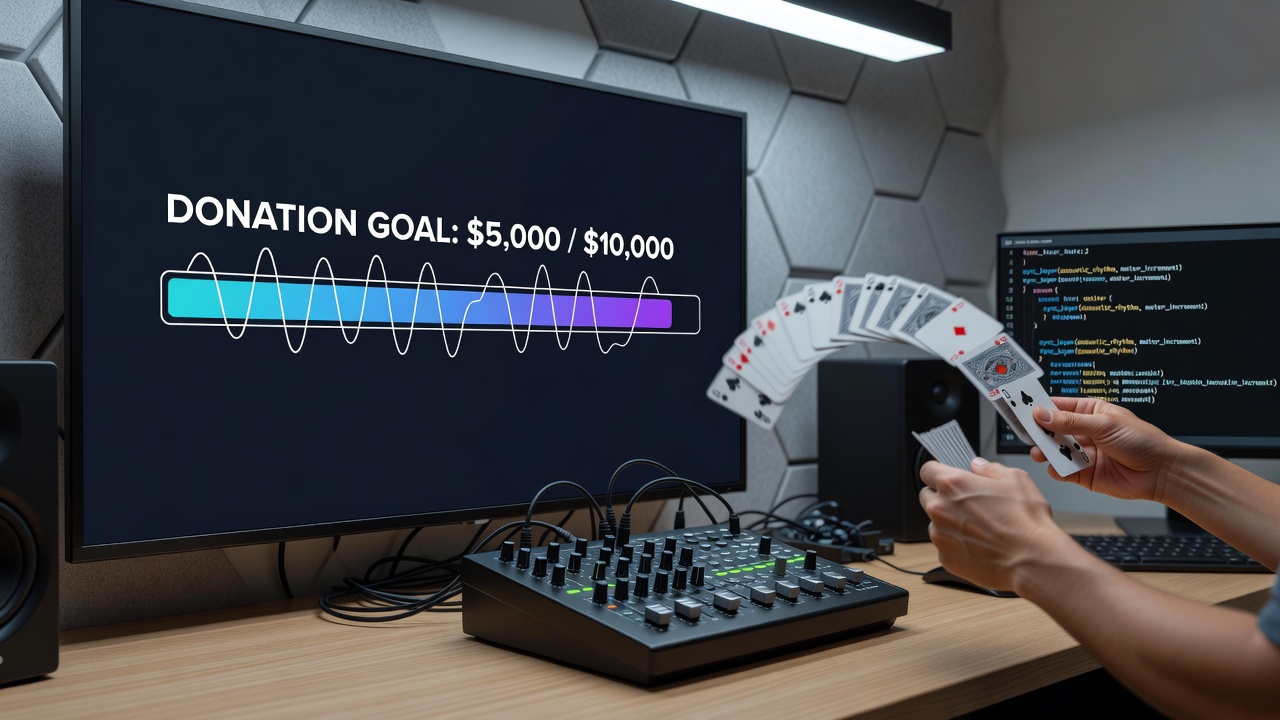
Technical Adjustments for Varied Room Acoustics
Room size and surface materials influence layer balance, prompting organizers to calibrate equalizer settings before each session begins. Hardwood floors and bare walls require additional damping on higher frequencies to prevent echo interference with shuffle rhythm detection, whereas carpeted spaces benefit from boosted mid-range layers that carry through softer surfaces. Calibration routines involve test shuffles recorded against empty meters, allowing fine-tuning of threshold triggers so that audio shifts align exactly with donation increments logged through mobile payment integrations. Industry reports from the Canadian Gaming Association highlight similar calibration practices in community fundraising formats, where acoustic consistency supports sustained player focus across multiple game rounds.
Integration with Broader Revitalization Objectives
Neighborhood groups apply acoustic layering data to evaluate event effectiveness by comparing audio engagement metrics against total funds raised for specific projects. Patterns extracted from session logs show that synchronized rhythms correspond with higher average donation sizes when meters display real-time audio visualizations alongside numerical totals. These findings align with observations from housing development analyses that link immersive environmental cues to improved community participation in revitalization drives. Equipment portability remains a priority, with most systems designed around battery-powered components that fit within standard storage closets when not in use.
Conclusion
Acoustic layering techniques continue to evolve as residential gaming events scale to support neighborhood revitalization across compact urban settings. Synchronization of shuffle rhythms with donation meters provides measurable coordination between auditory and visual feedback systems, while technical adaptations address space and acoustic variations encountered in apartment-based gatherings. Ongoing documentation from August 2026 events supplies additional data points that inform refinements for future implementations.